The timbers
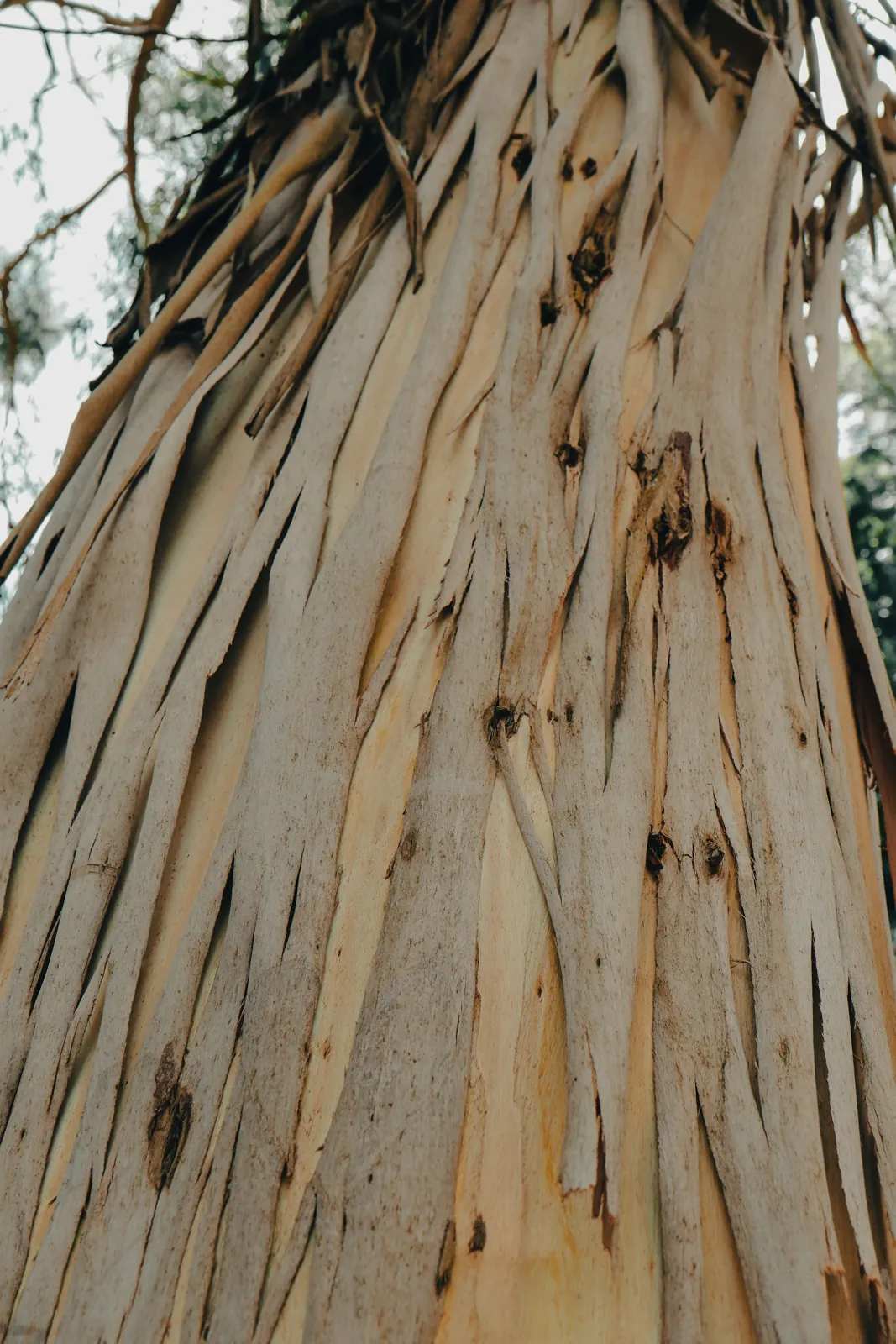
We work with four Australian timbers: messmate, Tasmanian blackwood, marri and spotted gum. Each one behaves differently with light behind it, so we describe them plainly: the colour, the grain, where it grows and what it feels like in a room.
Why timber, and why these
Light changes timber. A shade that looks plain in daylight comes alive at night, when the grain is lit from behind and the thin edges glow.
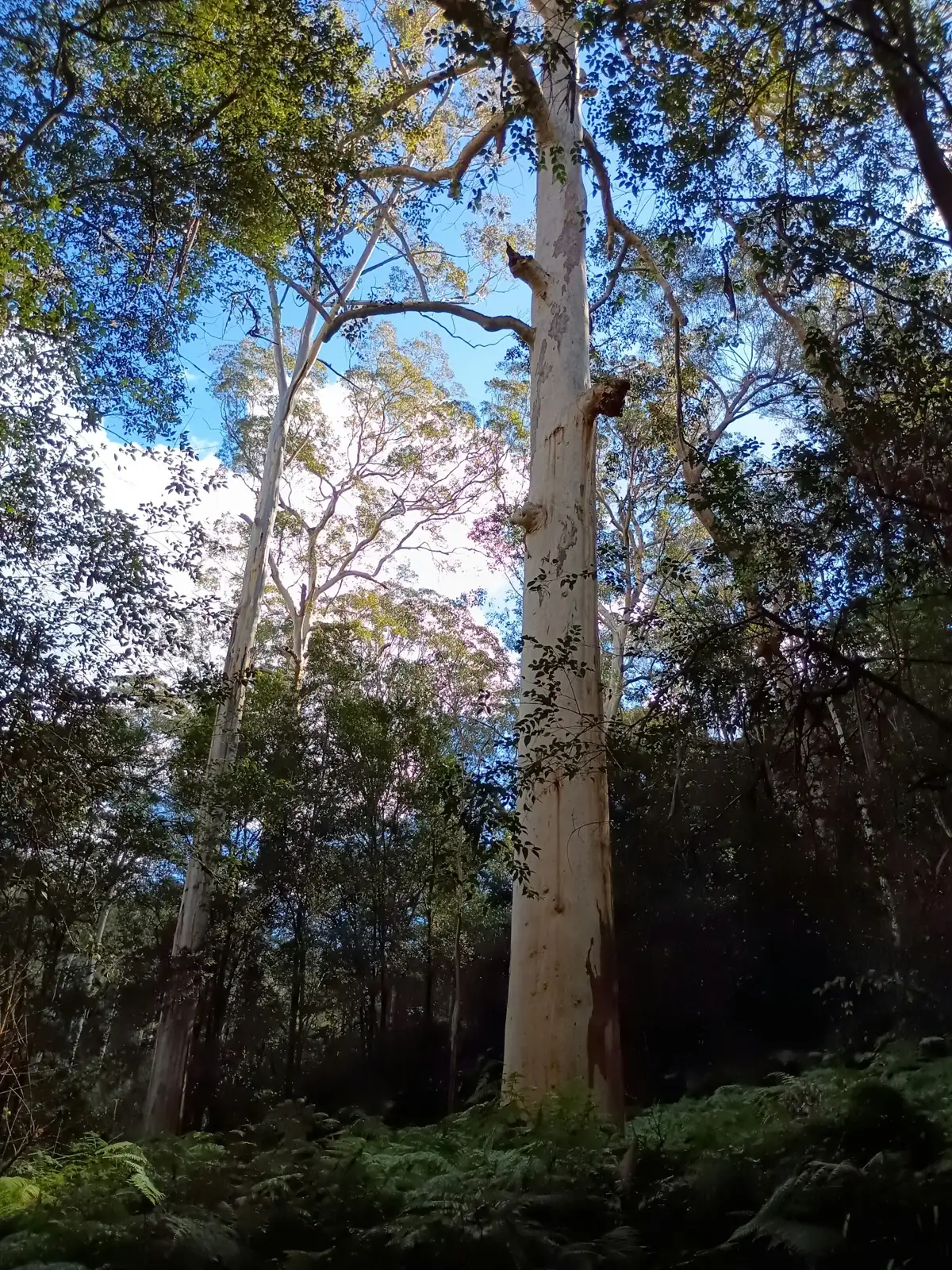
Australian hardwoods are dense, stable and full of colour, from the pale straw of messmate to the red-brown of marri and the deep gold of blackwood. That range lets you match a light to a floor, a joinery finish or a mood.
Every product page shows which timbers that piece is made in, and the price changes with your choice. Tasmanian blackwood costs a little more because it is harder to get in usable boards.
Not sure from a screen? We'll post you a small sample of any timber so you can see it in your own light. Order a timber sample
[PLACEHOLDER] Where our timber comes from, and any certifications, once confirmed.
Why you'll see joins
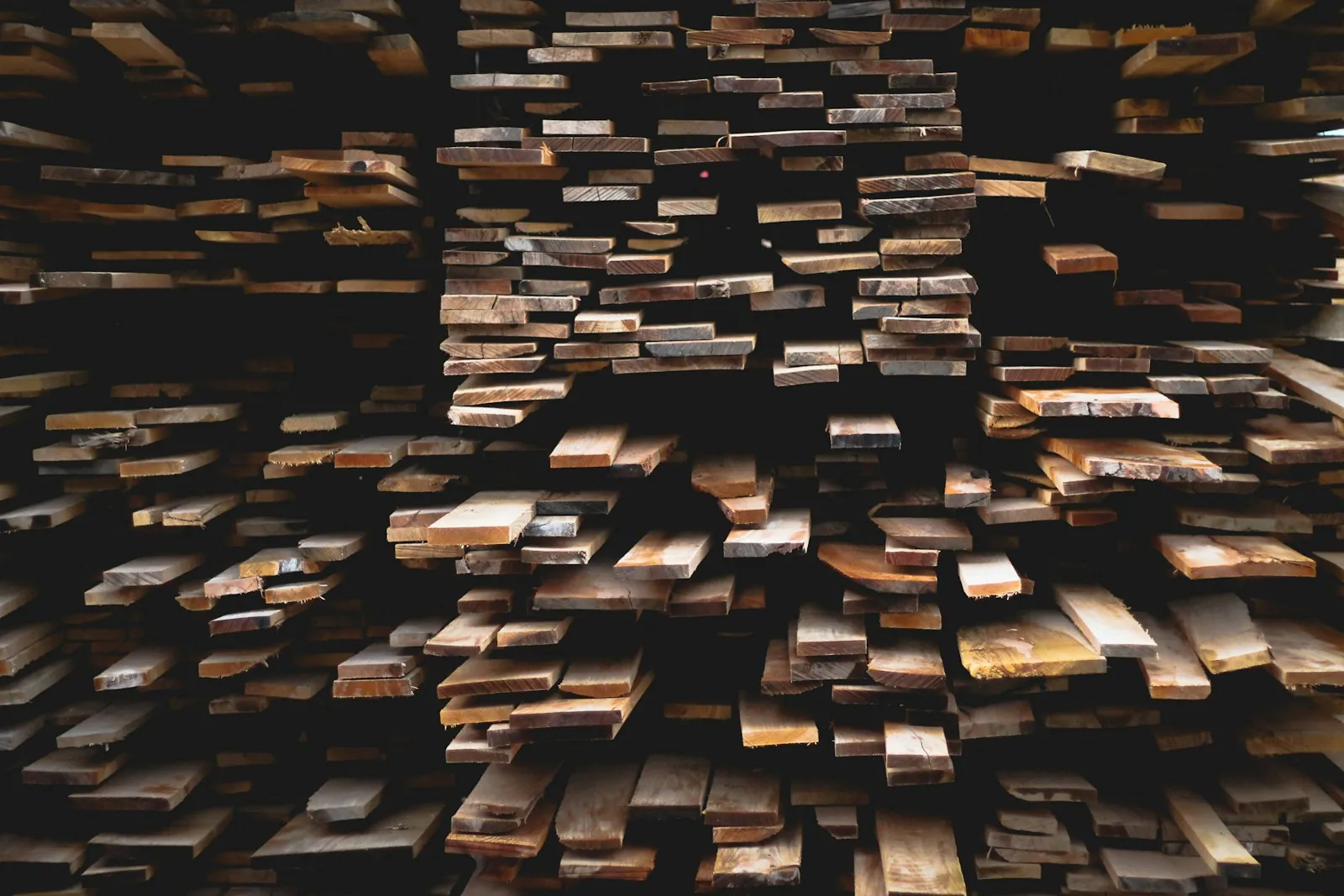
Most lights carved from timber start as one big, perfect block, and most of that block ends up on the workshop floor. We do it the other way round.
We build each light from a handful of well-chosen pieces, usually four to six, cut from the parts of a board that suit them. We join them simply and leave the joins on show rather than hiding them.
We also keep the timber's natural character: gum veins, kino lines, small checks and the colour shifts from one board to the next. Those marks, and the joins, are part of the design. They show how a piece was made, they bring together the natural differences in colour and grain from board to board, and they mean far less of a precious resource is wasted.
Four species
Swatches are a guide only. Real timber varies board to board, which is the point.
Messmate
- Colour
- Pale straw to light brown
- Grain
- Open and fairly straight, with fine gum veins and the odd pinhole
- Grows
- Victoria and Tasmania's cool forests
Calm and honest. The gum veins are the tree's own handwriting, and we keep them.
Used in 14 pieces.
Tasmanian blackwood
- Colour
- Golden brown with darker bands
- Grain
- Straight to wavy, with a chatoyant figure
- Grows
- North-west Tasmania's wet forests
Deep, lustrous and quietly luxurious. The figure shifts as you move around it.
Used in 14 pieces.
Marri
- Colour
- Pink-brown to warm red-brown
- Grain
- Interlocked, with dark kino veins and gum pockets
- Grows
- South-west Western Australia
Full of character. Every board carries its own map of gum veins, so no two pieces match.
Used in 14 pieces.
Spotted gum
- Colour
- Light brown to deep chocolate
- Grain
- Wavy, with a ripple figure that catches the light
- Grows
- Coastal NSW and south-east Queensland
Strong and lively. The ripple figure shimmers as you walk past.
Used in 14 pieces.